The Definitive 2025 Comprehensive Guide to Sargassum
Sargassum in Cancún: Why the Problem Extends Beyond Tourism
Each year, large quantities of sargassum wash up in Cancún and the wider Mexican Caribbean—part of a natural cycle, yet with real impacts. When this brown seaweed gathers onshore, it causes unpleasant smells, emits irritating gases, reduces water quality, and burdens vulnerable coastal ecosystems and public services.
By 2025, the narrative around sargassum in Cancún has shifted. It’s not just “seaweed on the beach” anymore—it’s a governance issue involving planning, coordination, public communication, environmental management, logistics, and transforming a repeat challenge into lasting resilience.
What Is Sargassum and Why Is It on the Rise?
Sargassum is floating seaweed that supports marine life in the open ocean. The problem arises when large masses reach land faster than ecosystems or infrastructure can handle. Experts cite three key global causes:
- Ocean warming (due to climate change): Warmer waters spur faster growth and longer bloom seasons.
- Nutrient pollution: Runoff—especially from rivers like the Amazon—fuels its rapid spread.
- Changing winds and currents: Shifting patterns increasingly funnel sargassum toward the Caribbean.
Bottom line: These are global causes. No city is to blame, but local governments shape how well it’s managed.
2025 Forecast: What the Monitoring Is Showing
Monitoring groups in Quintana Roo caution that 2025 could bring heavy influxes. Reports note:
- A projected rise compared to 2024.
- Early arrival signs in multiple coastal areas.
- Satellite data showing large sargassum masses in the Atlantic.
This shifts priorities from reactive cleanup to readiness: early-warning systems, inter-agency planning, and action before peak season.
Shared Roles: Who’s Responsible in Cancún and Quintana Roo
Cancún’s sargassum response shows how responsibility is shared across sectors:
- Federal agencies (e.g., SEMAR): Set national standards and provide funding.
- Quintana Roo government: Leads regional strategy and transparency.
- Municipal governments (like Benito Juárez): Handle logistics, operations, and health.
- IMPLAN (planning body): Focuses on long-term resilience and land-use.
- Hotels/private coastal sector: Maintain beaches and manage immediate cleanup.
- Universities and research centers: Provide science, impact data, and innovation (UNAM, CICY, Universidad del Caribe).
How Governments Can Respond: A Practical Action Plan
Governments can’t stop sargassum from forming—but they can improve outcomes through six key actions:
- Offshore coordination and early action.
- Daily cleanup using eco-safe methods.
- Open, accurate public updates.
- Health-focused monitoring and removal.
- Clear rules for reuse (biofuel, compost, etc.).
- Measurable goals and shared accountability.
Benito Juárez (Cancún): From Emergency Response to Long-Term Resilience
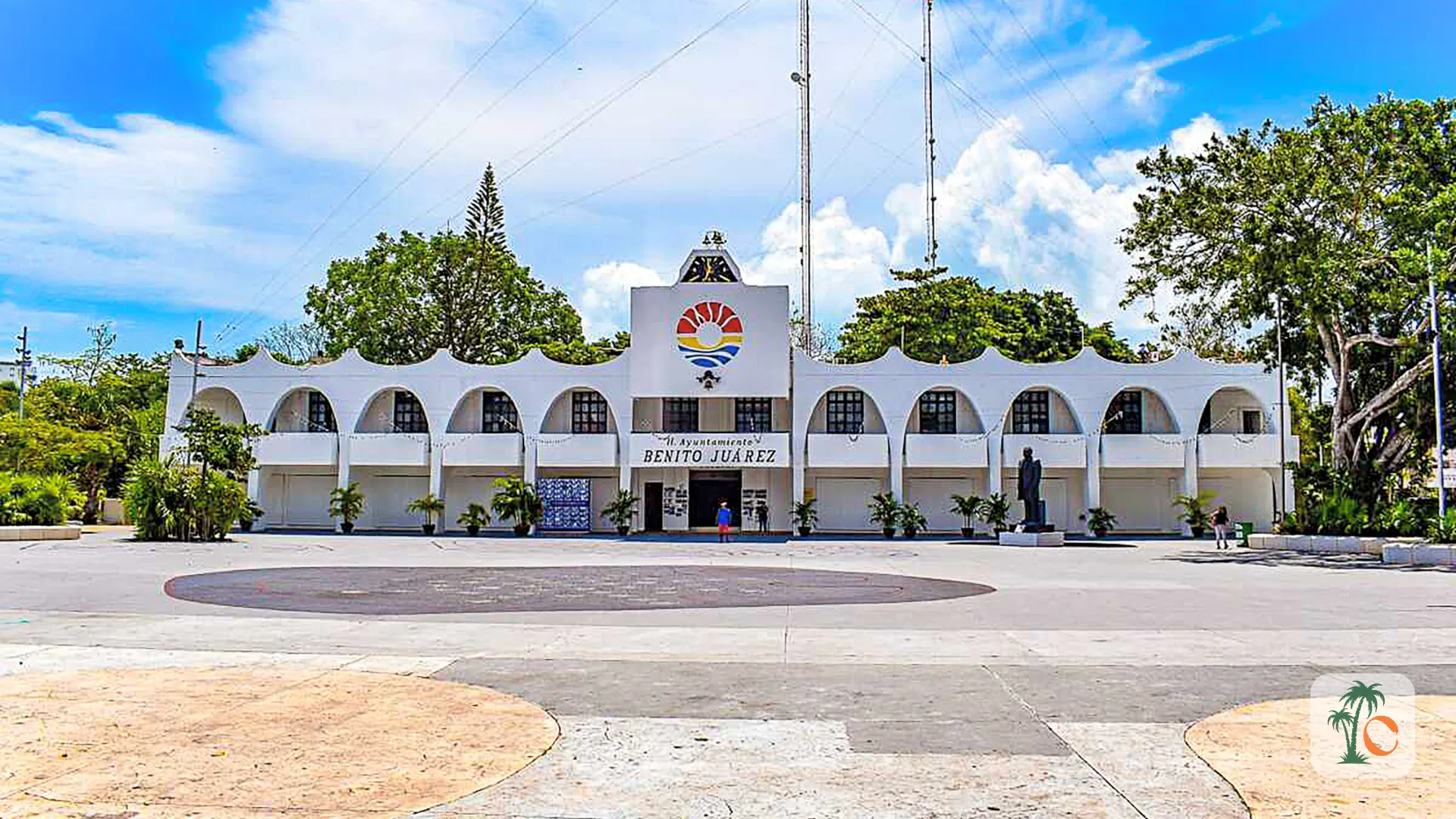
Cancún’s local government plays a central role in turning plans into visible results. A key tool is the municipal Risk Atlas—typically used for storms or floods. But the same logic applies to recurring coastal issues like sargassum.
The city can treat sargassum as an ongoing operational risk, a budget and logistics challenge, a public health issue, and a resilience priority tied to climate change.
IMPLAN + UN-Habitat: Turning a Problem Into an Urban Opportunity
Cancún’s future lies in moving from reaction to strategy. IMPLAN can elevate management by including sargassum in long-term urban planning, designated processing zones, and infrastructure aligned with eco-rules.
UN-Habitat can support this via proven models, circular economy tools, and alignment with SDGs (like 11 and 13)—making Cancún a global case study.
Cleanup on the Ground: Daily, Gentle, Effective
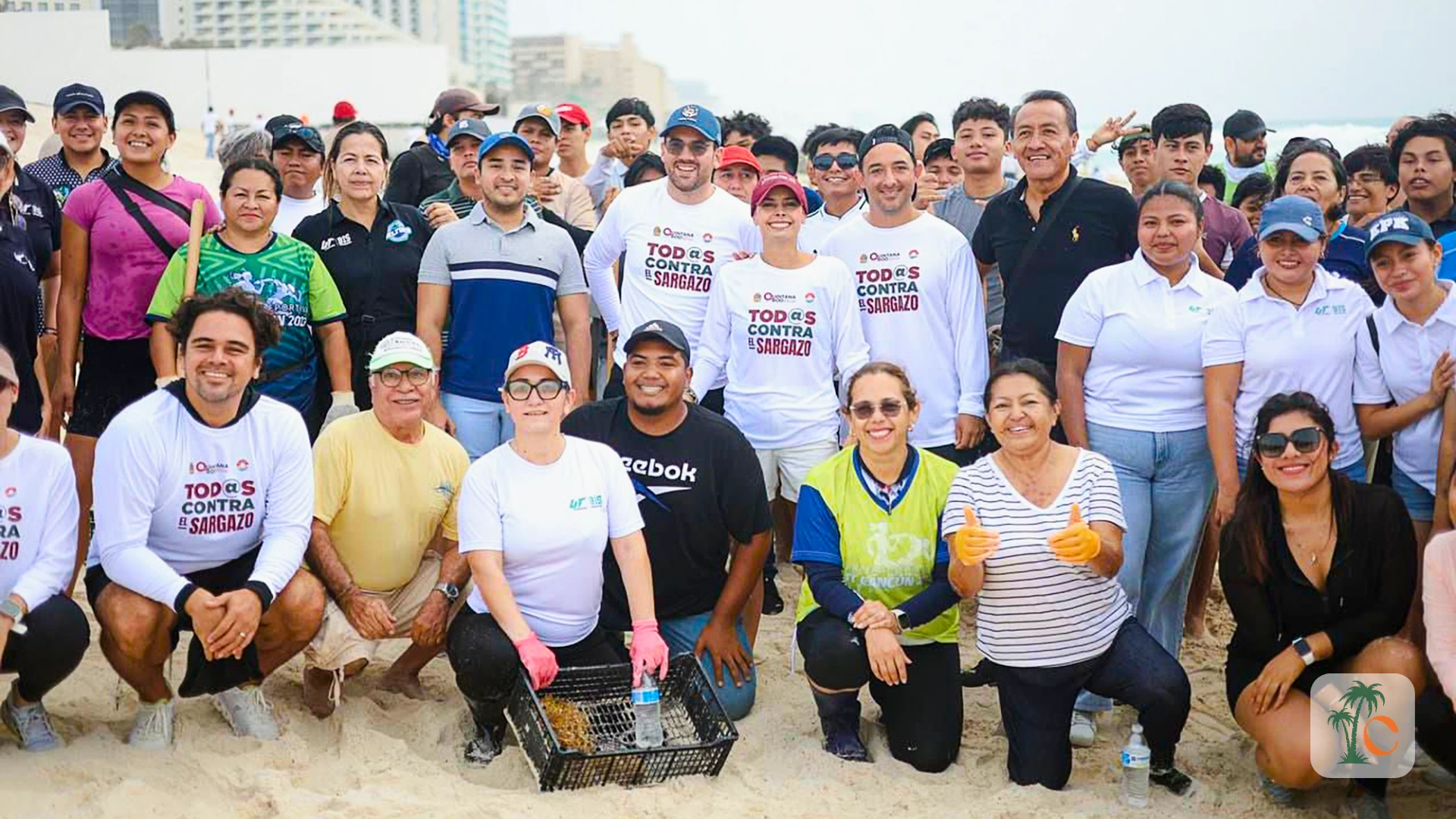
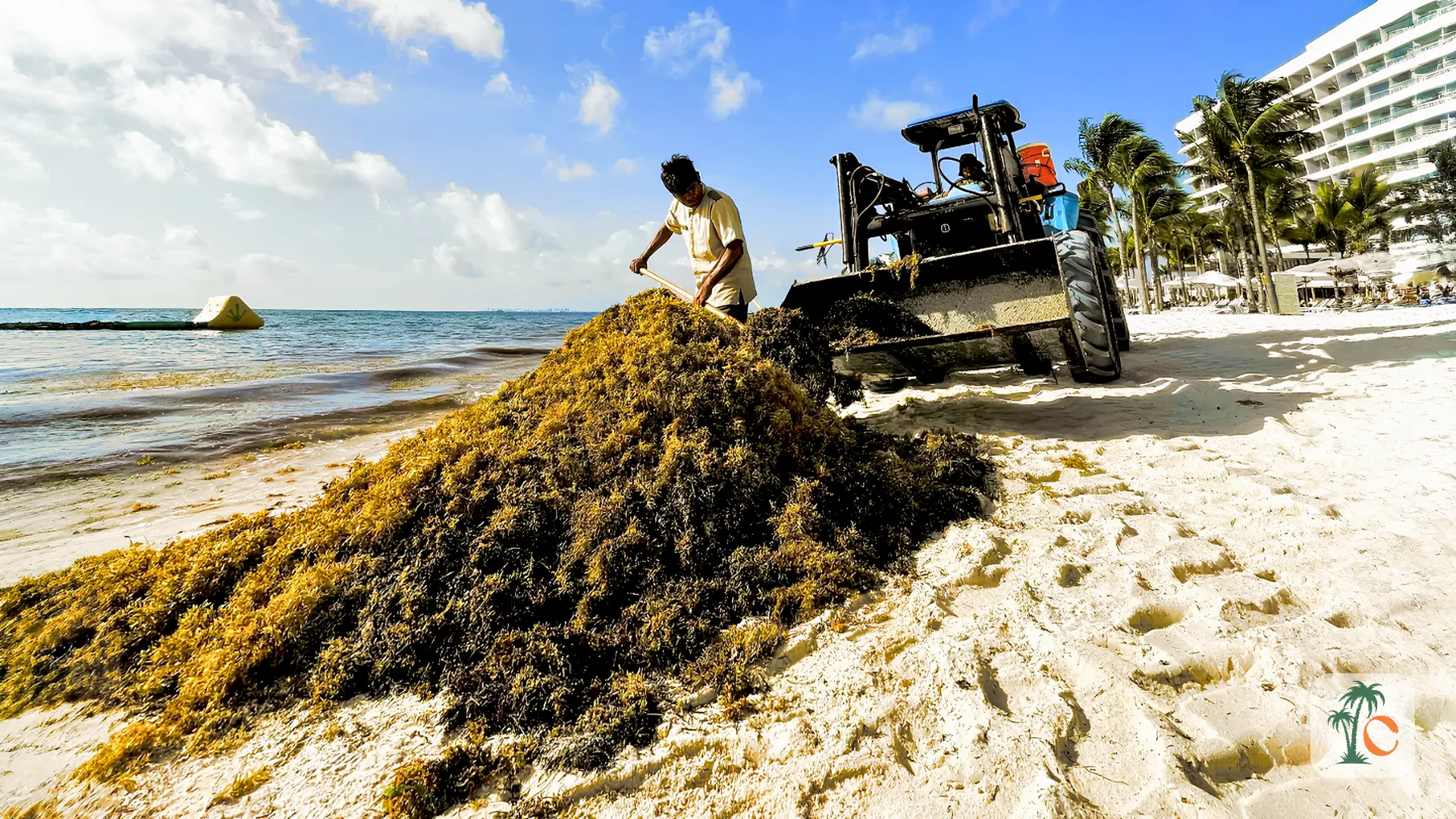
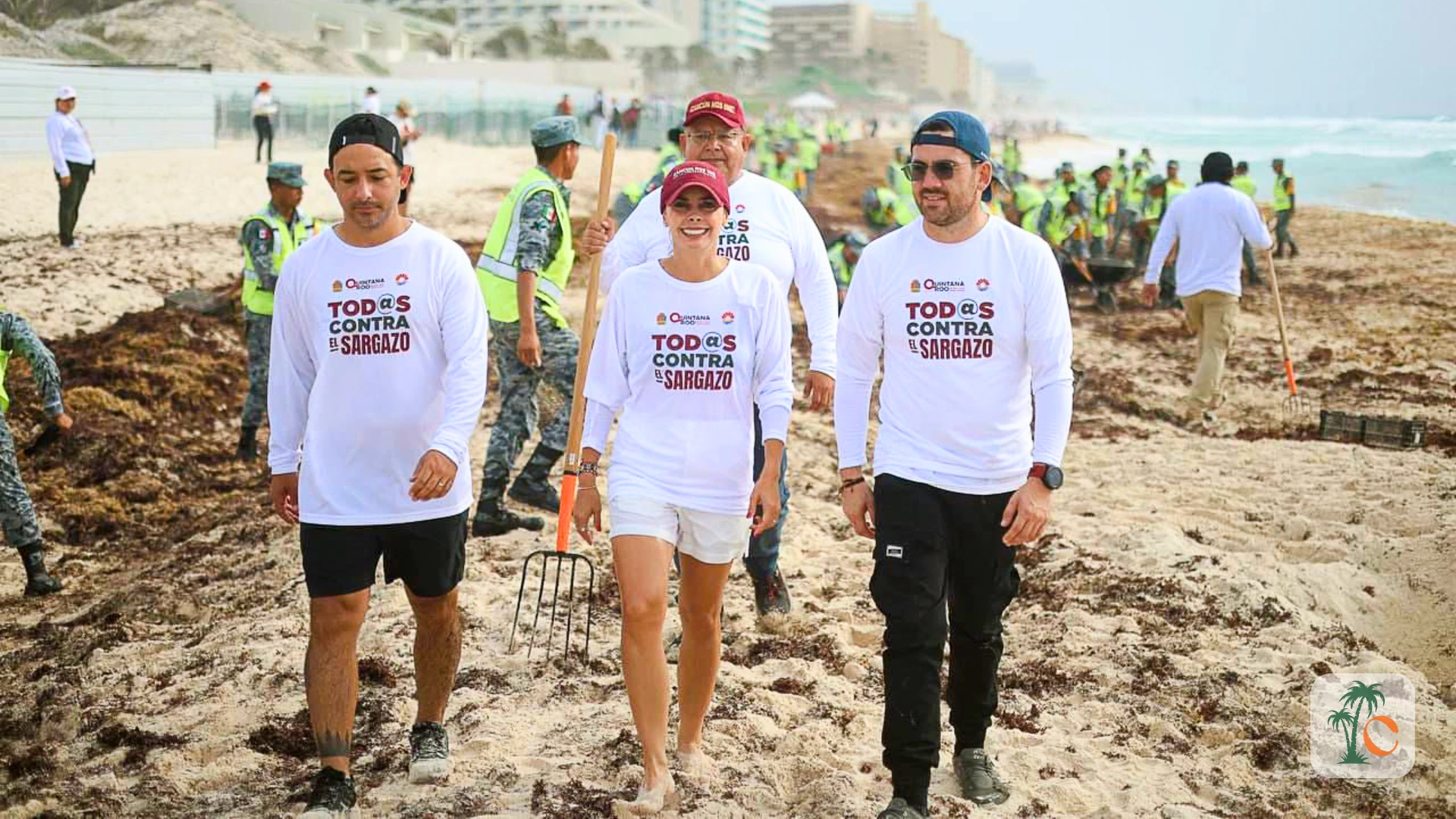
Best practice means planned, daily, eco-safe removal—not just “more cleanup.” In practice: Use manual teams in sensitive areas, separate fresh (reusable) from decomposed seaweed, and place piles away from water to protect beaches.
Offshore Solutions: Keeping It From Hitting the Beach
Offshore barriers (booms) float and guide sargassum away from beaches. They slow movement, allow easier collection, and reduce shoreline buildup. Success depends on real-time monitoring and maritime collection capacity.
Circular Economy: From Cost to Innovation
Treating sargassum as waste = endless expense. Treating it as a resource = local opportunity. Uses include: Biofuel, “Sargablocks” building materials, and Fertilizer. Governments can fast-track this through pilot permits and partnerships.
Cancunity: Sharing Facts, Fighting Fear
Cancunity is a community-led response offering public education tools, easy-to-understand science for residents, and communication resources to combat fear and build trust.
Institutional Snapshot (2024–2025): Who’s Done the Most?
Red de Monitoreo del Sargazo: Offers daily status maps via Esteban Amaro.
“Sargablocks”: A practical reuse model by Omar Vázquez Sánchez.
Hotel Sector: Carrying the daily financial and operational burden of cleanup.
Sources & Live Info
- Red de Monitoreo: 2025 forecasts via La Jornada Maya
- Sargablock features: via Mexico News Daily
- Live updates: sargassummonitoring.com
Partner With Us
If your group works on monitoring, cleanup, or reuse—let’s collaborate on joint publications. Send your contact email to get started.
Cancunity: Facts, Not Fear. 🌊🤝
Report compiled by Pedram Taheri • Last Updated: Dec 14, 2025