Introduction: The Self-Correcting City
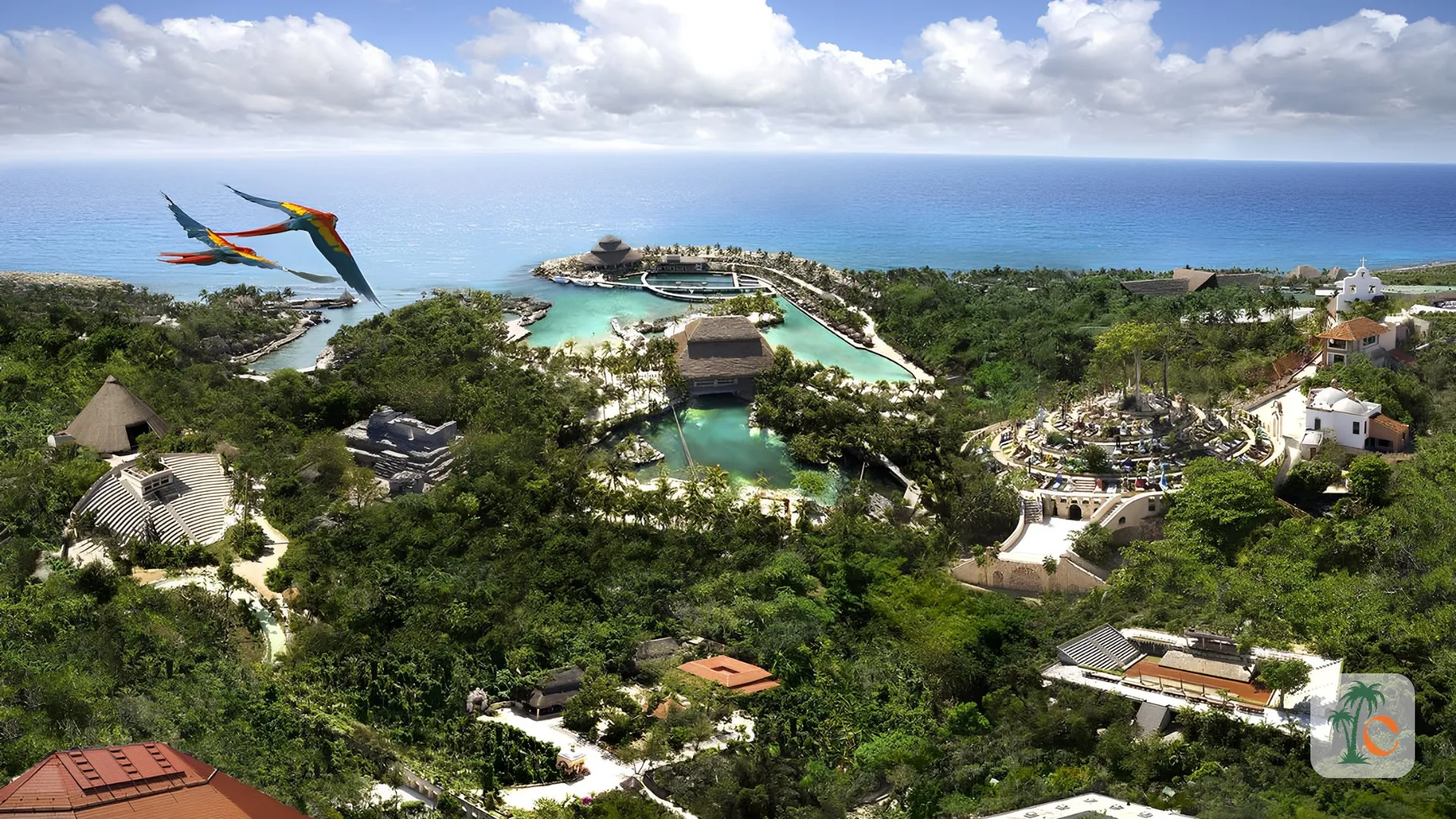
Cancun is evolving. Beyond the postcard-perfect beaches and the shimmering turquoise of the Hotel Zone, a quieter but more profound transformation is taking place. In 2025, the city is shedding its image as a binary world of “luxury for some and hardship for others.” Instead, it is emerging as a global model for inclusive urbanism—a “Self-Correcting City” where tourism wealth is finally finding its way into the mainland neighborhoods that house its hardworking soul.
1. The Social Shift: From Tourism Center to Living Laboratory
For decades, Cancun’s growth was lopsided. While the tourist corridor dazzled the world, the families behind that magic—the cleaners, waiters, and service staff—lived in neighborhoods facing a deficit of basic services. Today, this is no longer a footnote in a report; it is the central challenge being addressed by the Municipality of Benito Juárez and AGEPRO.
Guided by the latest 2025 statistics, Cancun remains a tourism titan, welcoming over 17.5 million air passengers by November 2025. However, under Governor Mara Lezama’s “New Agreement for Welfare,” the narrative has shifted. The city is no longer just counting heads; it’s reinvesting revenue from its 65-70% hotel occupancy into the streets where its workforce lives. This isn’t just policy—it’s a “Strategic Rebirth” aimed at healing the socio-spatial divide.
2. Infrastructure for People: The Bridge of Equity
The most physical proof of this rebirth is the Parque de la Equidad (Equity Park). This isn’t just another park; it is a 16-kilometer structural intervention validated by UN-Habitat. By reclaiming 89 hectares of underutilized land, the project creates a “Biophilic Shield” that protects public spaces from private encroachment.
Validated in early 2025 by AGEPRO and IMPLAN, the park’s Master Plan provides “Legal Certainty” (Certeza Jurídica), ensuring these green spaces remain a permanent right for the 200,000 residents they serve. But the park is more than grass and paths—it is a gallery. Through the General Coordination of Communication (CGC), community murals and urban art have turned these corridors into a visual diary of local resilience, fostering a deep sense of belonging for those who were once marginalized.
3. The Golden Triangle: Government, NGOs, and the Conscious Traveler
Real, lasting change happens where institutional strategy meets human compassion. In Cancun, this “Golden Triangle” is formed by the synergy between government infrastructure and the tireless work of local NGOs. As a visitor, your journey becomes an “Improvement Story” when you connect with these pillars of the community:
Fundación Aitana: Resilience Through Health
In the shadow of luxury, many local families face the heartbreaking reality of childhood cancer. Fundación Aitana is their lifeline, providing chemotherapy, medication, and emotional support where the public system often falls short. For the “Impact Tourist,” Aitana offers a chance to give back to the children of the very people who make their vacation possible.
Mission: Health equity for the children of Cancun’s workforce.
Connect: fundacionaitana.org
Huellas de Pan: Nourishing the Future
Based on the belief that no child should go to school hungry in a city of plenty, Huellas de Pan (Breadcrumbs) addresses food security at its core. Operating community kitchens in mainland “Supermanzanas,” they serve hundreds of hot, balanced meals daily to students and seniors.
Mission: Feeding the dreams of those who power the tourism engine.
Participation: Through meal sponsorships or volunteering, visitors can ensure that Cancun’s prosperity reaches the local dinner table.
Connect: huellasdepan.org
4. Cancunity: Discovering the Local Pulse
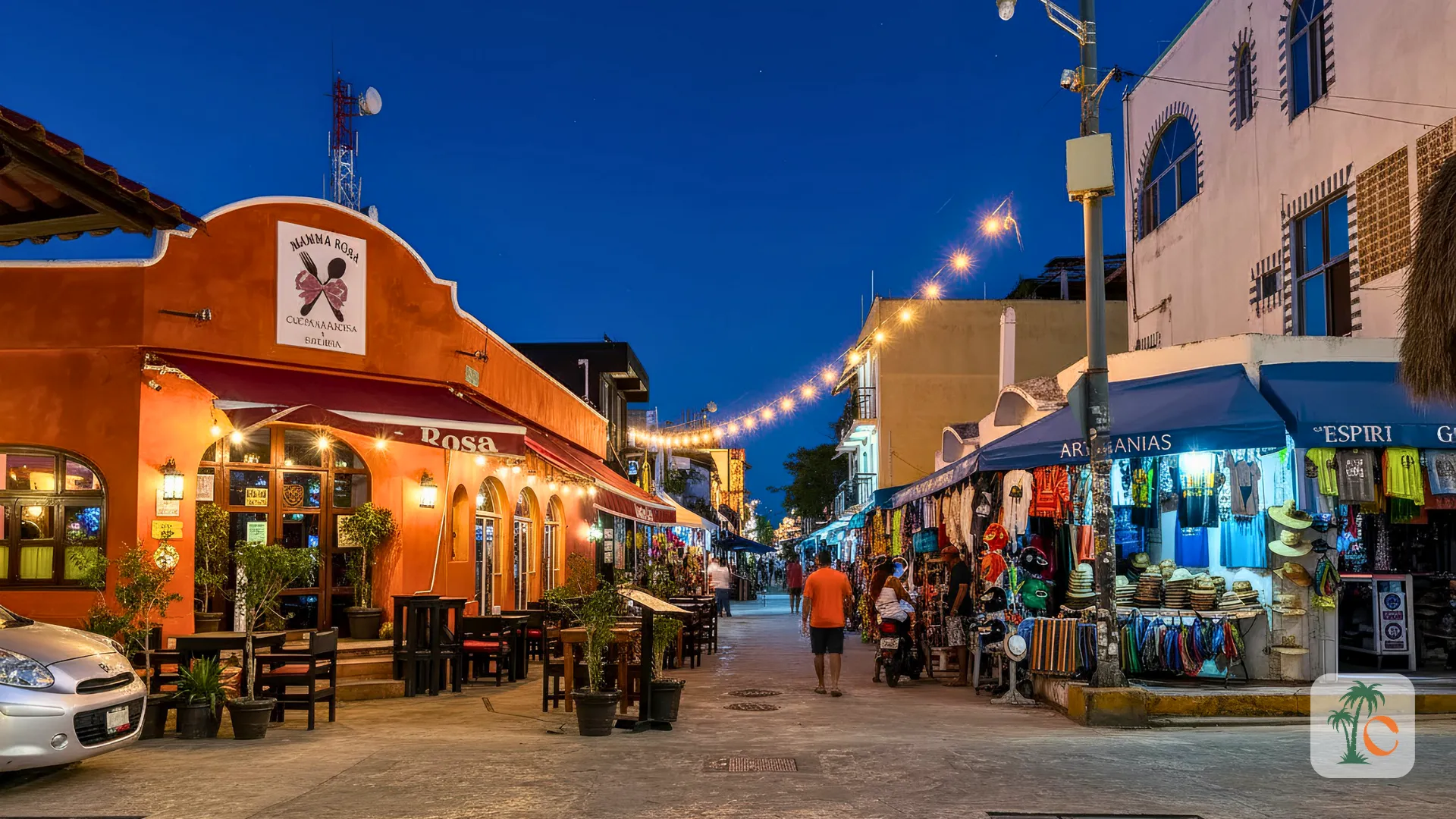
To truly experience Cancun in 2025 is to step outside the “All-Inclusive” bubble and into an “All-Inclusive Society.” This is Cancunity. Visit Mercado 23, where the local family ecosystem thrives on authentic gastronomy and traditional crafts. Explore the mainland neighborhoods where urban life and grassroots innovation are flourishing. Supporting these local hubs ensures that 100% of your spend stays within the community, preserving the human capital that is Cancun’s most valuable resource.
Conclusion: A Blueprint for the Future
Cancun is proving that a city can learn from its past. In April 2025, when world leaders gathered here for the IV Ibero-American Forum of Cities, they didn’t just see a beach resort; they saw a “Knowledge Hub” for urban resilience. Through the partnership of strategic institutions like AGEPRO and the emotional heartbeat of NGOs like Aitana and Huellas de Pan, the city is bridging the gap between its economic pulse and its social soul.
This isn’t just infrastructure; it’s a blueprint for the future of Latin America. Cancun has become more than a destination—it is a living, breathing promise of equity.
Frequently Asked Questions (FAQ)
Q1: What is the “Parque de la Equidad” and why is it important?
It’s a 16-kilometer park connecting tourist areas to residential neighborhoods, providing 89 hectares of green space to 200,000 residents to ensure inclusive urban growth.
Q2: How does tourism wealth benefit local communities in 2025?
Revenue supports infrastructure and social programs through initiatives like the “New Agreement for Welfare,” ensuring the workforce lives in dignified conditions.
Q3: How can international tourists help?
Tourists can practice “Impact Travel”—supporting local NGOs like Fundación Aitana and Huellas de Pan, or shopping at community markets like Mercado 23.
Q4: Is it safe to explore local neighborhoods?
Yes. Thanks to urban regeneration projects, safety has greatly improved through better lighting, community involvement, and more public spaces.
Q5: Does the park help with climate change?
Yes! The park acts as a Biophilic Shield, combating the urban heat island effect and managing rainwater runoff.
Support a City That Cares
With visionary urban projects and a heartbeat of community action, Cancun is redefining what a world-class destination can be.
Experience the Real Cancun! 🌳🛡️✨
Towards an Inclusive and Sustainable Future