Introduction: From 1970s Urban Crisis to 2025 Resilience
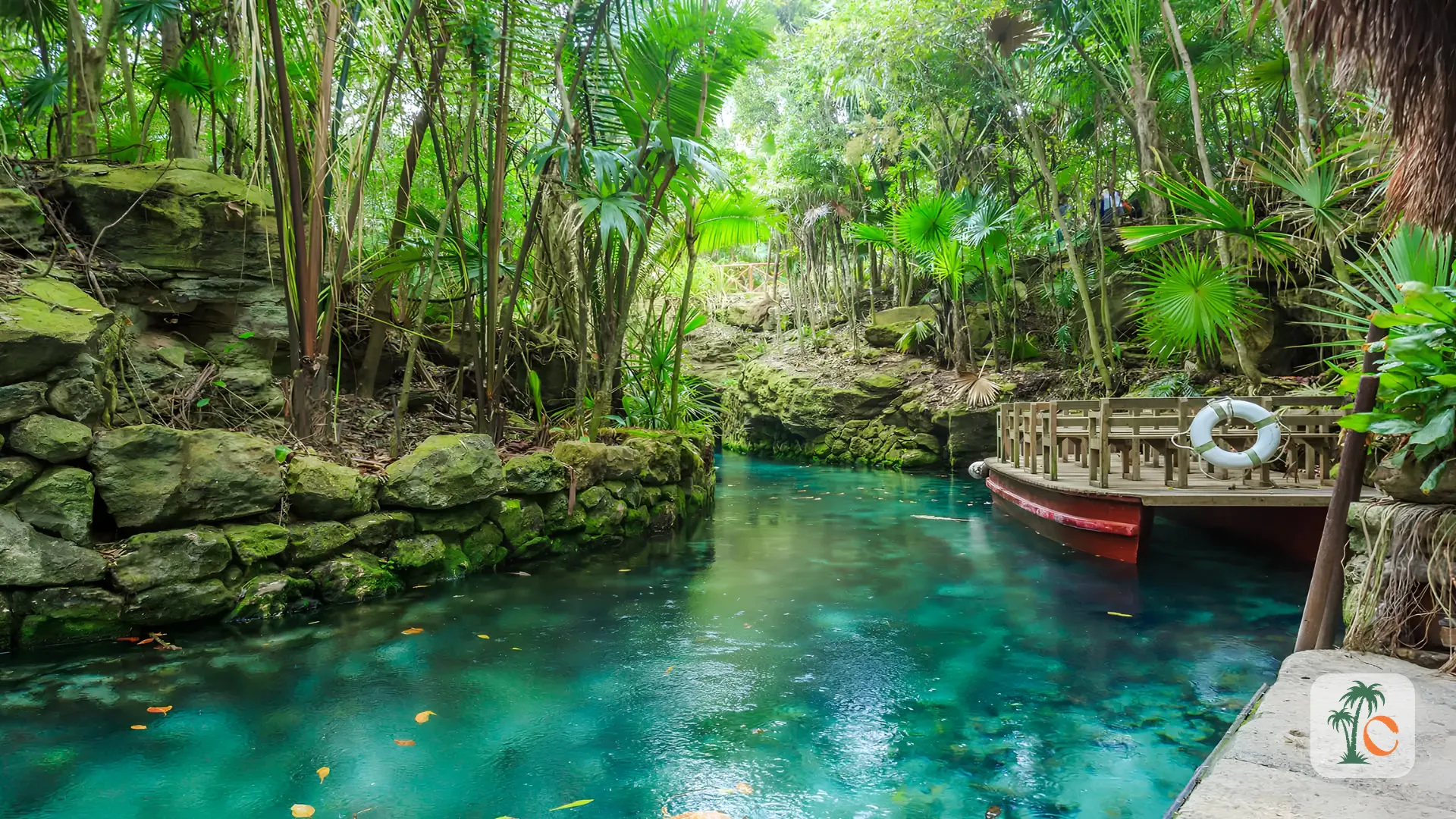
While Cancun is famous for its beautiful beaches and luxury resorts, these picturesque images have long masked an underlying urban crisis. Initially planned in the 1970s as an “Integrally Planned Center” (CIP), Cancun was a tourism pioneer but lacked foresight for sustainable urban growth and ecosystem management. For nearly five decades, Cancun grew rapidly and chaotically, prioritizing immediate economic benefits over long-term environmental health. This unchecked growth put immense pressure on the region’s freshwater aquifers and fragile mangrove ecosystems—the city’s natural barriers against the region’s growing climate challenges.
Now, Cancun is at a pivotal moment. The city is shifting away from unchecked expansion, rethinking its urban structure to correct past mistakes. This “Strategic Rebirth” is driven by cutting-edge science, international collaboration, and a focus on human-centered design. Cancun is positioning itself as a global model for urban resilience, aligning its future with the UN Sustainable Development Goals (SDGs 11 and 13). This evolution marks a shift from reactive crisis management to proactive, data-driven governance designed to protect both the environment and its people.
1. Strengthening the Institutional Framework
Cancun’s unregulated expansion has been met with a much-needed institutional overhaul. At the heart of this change is the Municipality of Benito Juárez and IMPLAN (the Municipal Planning Institute), which now serves as the city’s primary technical advisory body.
A key player in this transformation is the Urban Development Program (PDU) 2022-2030, a legally binding framework that directs all urban planning and development. The PDU ensures:
1.1. Environmental Accountability: Any project affecting aquifers or mangroves must meet long-term environmental sustainability goals and rigorous vetting processes.
1.2. Urban Boundaries: The PDU establishes strict boundaries to prevent further urban sprawl into the surrounding jungle, encouraging a compact, efficient city layout.
1.3. Public Oversight: A Citizen Advisory Council (CCC), including academic experts, ensures that urban planning decisions are made transparently and with academic scrutiny.
2. Global Standards & UN-Habitat Partnership
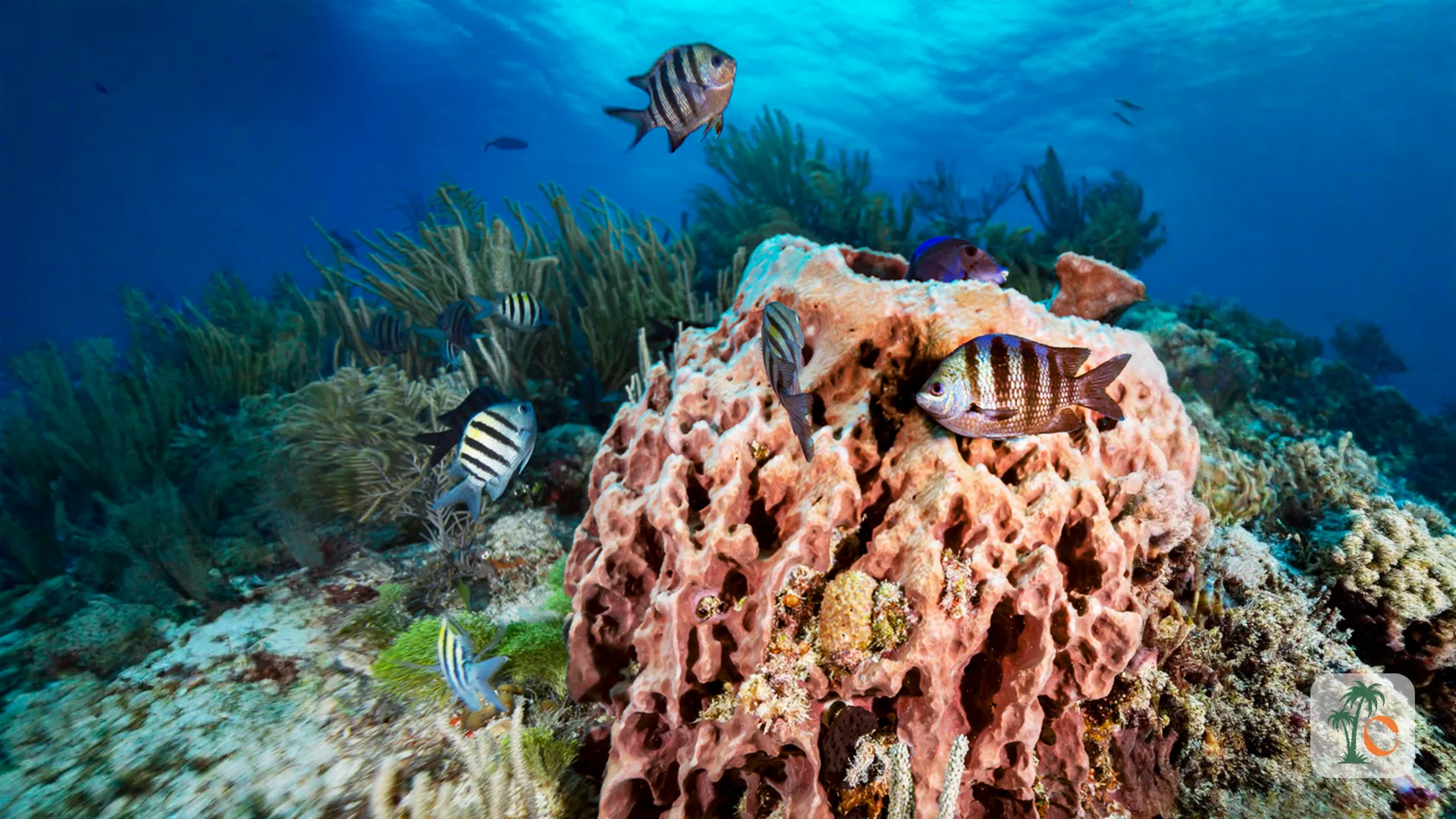
Cancun’s urban shift aligns with a global movement toward sustainable city design, validated by its partnership with UN-Habitat. A key initiative in this partnership is integrating circular economy principles, as seen in Cancun’s innovative approach to managing Sargassum seaweed.
Rather than treating the seasonal influx of seaweed as a nuisance, the city is exploring ways to convert it into bio-fertilizers or construction materials, effectively turning a natural challenge into a sustainable economic opportunity for the local community, while supporting broader conservation efforts to restore mangroves along our coastlines.
3. Dissecting Misconceptions & New Regulatory Realities
To fully understand Cancun’s progress, it’s crucial to clear up some common myths that persist from previous decades:
3.1. The Environmental Oversight Myth: It is often believed that development is unchecked. In reality, state agencies like SEMA now have the authority to halt any development that does not meet sustainability criteria, particularly concerning groundwater recharge zones.
3.2. The “Tourism-Only” Perception: It’s also assumed that the city’s focus is solely on the Hotel Zone. The PMD 2024-2027, however, directs tax revenues into infrastructure for residential neighborhoods, especially those that have long been underserved, promoting social equity.
4. Case Study — Parque de the Equidad (Equity Park)
If the PDU represents Cancun’s brain, then the Parque de the Equidad is its heart. This 16-kilometer park is reclaiming public space for over 200,000 residents in previously marginalized areas.
4.1. Global Recognition: The park has earned international accolades, including recognition from Bocconi University’s Sur Atlas as a premier model of urban regeneration.
4.2. Legal Protection: By January 2025, AGEPRO validated the master plan, ensuring the park will be permanently protected from future private development through legal certainty.
4.3. Sustainable Mobility: The park includes integrated bike paths, promoting eco-friendly transportation and linking disconnected neighborhoods while reducing the city’s carbon footprint.
Strategic FAQ: Understanding Cancun’s Transformation
Q1: How is Cancun addressing its past urban sprawl?
Cancun has officially shifted away from the “infinite growth” model. Through the PDU 2022-2030, the city is focusing on densifying existing urban areas and creating “ecological buffer zones” to protect the region’s vital ecosystems from further encroachment.
Q2: What role do mangroves and aquifers play in the new master plan?
Mangroves and aquifers are now legally classified as critical Natural Infrastructure. This means they are treated with the same legal importance as roads or power grids. Any development threatening these recharge zones is now strictly prohibited by law.
Q3: How does the UN-Habitat partnership benefit local residents?
The partnership ensures Cancun meets SDG 11 (Sustainable Cities). For residents, this means more accessible green spaces, safer transportation options like bike paths, and an urban design that prioritizes human well-being and social equity over vehicle traffic.
Q4: How is transparency ensured in urban planning decisions?
The Citizen Advisory Council (CCC) oversees planning decisions with direct input from local universities and professional associations. This institutionalized scrutiny ensures that urban policies are based on sound scientific data and long-term technical merit.
A Resilient Future
Cancun’s departure from unplanned growth is now complete. By prioritizing data-driven development and forging global partnerships, the city is safeguarding its paradise for generations to come.
Paradise Reimagined. Strategy Delivered. 🌴🛡️
Report compiled by Cancunity Team • Strategic Review 2025